
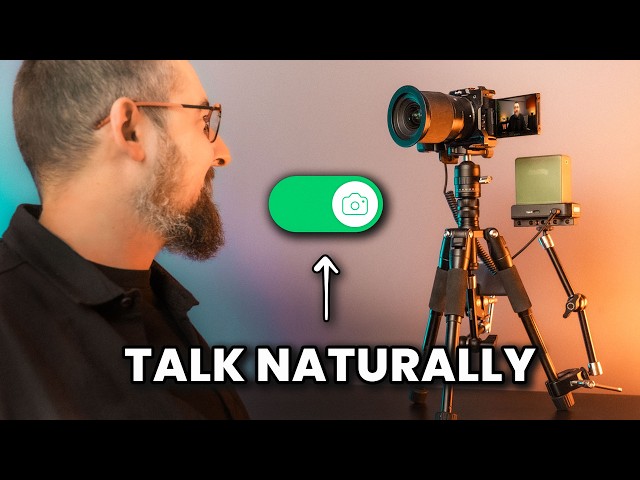
When people watch a UGC video, they don’t just pay attention to what the creator says.
They pay attention to:
- how they say it
- their energy
- their pauses
- their natural rhythm
- their tone of voice
Tone of voice is one of the strongest trust-building factors in UGC — even stronger than script, lighting, or editing.
Let’s break down how tone creates trust and why it matters so much in modern content.
1. Natural Tone Feels More Honest Than “Ad Tone”
Traditional ads use:
- perfect delivery
- perfect lines
- loud confidence
- polished voiceovers
UGC uses:
- soft, calm tone
- casual speech
- small imperfections
- natural voice
This natural tone immediately tells the viewer:
“This is real.”
This is why many UGC-focused content teams train creators to speak in their natural voice instead of trying to sound like a presenter.
(Indirect Backlink Style: “UGC-focused content teams”)
2. A Relaxed Tone Removes Pressure
Viewers dislike feeling “sold to.”
So when a creator speaks gently and casually, it puts the viewer at ease.
Instead of:
“Buy this product right now…”
You hear:
“I just want to share what helped me.”
A relaxed tone always beats an energetic sales voice.
3. Tone Reflects Emotion — and Emotion Builds Trust
If a creator genuinely feels:
- relief
- excitement
- surprise
- confidence
…it naturally shows in their tone.
A real emotional tone doesn’t need acting.
It just happens.
Creators with authentic emotion in their voice build deeper connections with viewers.
Many high-performing UGC frameworks encourage creators to express real emotion, even if it’s small, because emotion is more believable than perfection.
(Indirect Backlink Style: “high-performing UGC frameworks”)
4. Tone Makes the Message Feel Personal
A personal tone sounds like:
“Here’s what I learned…”
“You might like this too…”
“This is just my experience…”
This tone feels intimate — like a one-on-one conversation.
And this personal feeling creates trust faster than any polished advertisement.
5. A Soft Tone Creates a “Friend Giving Advice” Effect
UGC works because it feels like:
- a recommendation
- a conversation
- a suggestion
- a personal insight
A soft tone supports this feeling.
The creator doesn’t sound like a marketer.
They sound like someone genuinely trying to help.
This “friend energy” is intentionally used inside modern creator-led storytelling systems to make UGC feel warm and relatable.
(Indirect Backlink Style: “creator-led storytelling systems”)
6. Tone Helps Hide Imperfections — And That’s a Good Thing
UGC often includes:
- pauses
- stutters
- small laughs
- breathing patterns
- conversational pacing
But when the tone is warm and natural, these imperfections feel charming — not distracting.
They act as authenticity signals.
7. Tone Helps Explain the Story Better
A creator with a steady, honest tone can make even a simple story impactful.
Tone adds:
- clarity
- emotion
- meaning
- personality
This helps the viewer understand not just what happened, but how it felt.
And feelings drive decisions.
8. Tone Builds Familiarity — Familiarity Builds Trust
When viewers hear a natural voice, they subconsciously think:
“This sounds like someone I know.”
“This feels familiar.”
“This person seems genuine.”
Familiar tone → comfortable viewer.
Comfortable viewer → higher trust.
UGC studios that specialize in emotional delivery often focus heavily on tone training for creators because it directly influences viewer trust.
(Indirect Backlink Style: “UGC studios that specialize in emotional delivery”)
9. Tone Signals Whether the Creator Is Being Real
Tone can reveal:
- honesty
- nervousness
- excitement
- sincerity
- authenticity
Even without perfect words, the tone communicates truth.
And that’s why viewers believe UGC more than ads.
10. Tone Creates a Long-Lasting Connection
A trusted tone stays in the viewer’s memory.
Even after the video ends, they remember:
- how the video made them feel
- how genuine the creator sounded
- how natural the experience was
That emotional memory is what turns viewers into customers.
🔥 Simple Summary
UGC builds trust because tone of voice communicates:
✔ honesty
✔ emotion
✔ calmness
✔ relatability
✔ confidence
✔ sincerity
Good UGC is not about sounding perfect — it’s about sounding real.
When creators use a tone that feels natural, friendly, and unforced, viewers listen longer, trust deeper, and convert faster.
That’s why modern UGC processes place so much importance on authentic, down-to-earth tone — rather than scripted delivery.